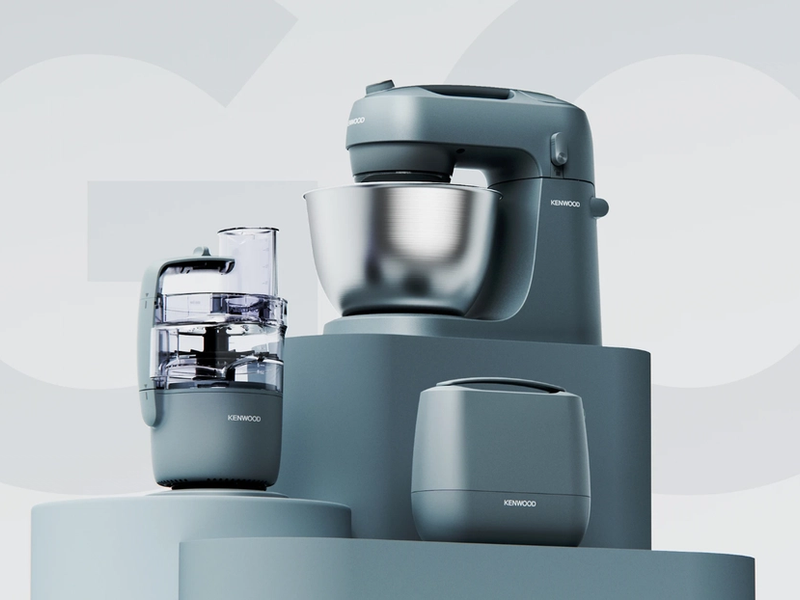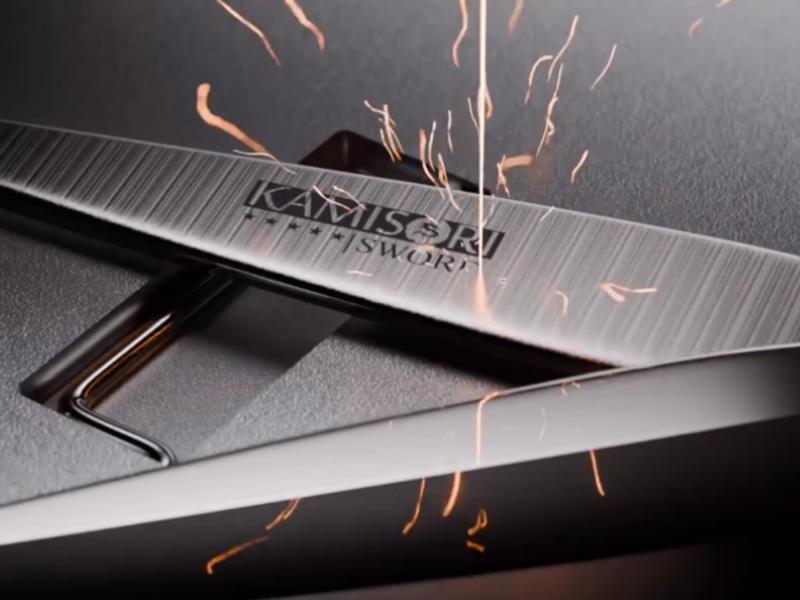
Marketing home and kitchen appliances requires walking a fine line.
Consumers need to see the exact finish of a metallic blade, the clarity of a glass jar, and the functional motion of the hardware before they make a purchasing decision.
However, capturing these elements in a traditional photography studio often results in compromised visuals - unwanted reflections on curved plastics, flat lighting, or prohibitive video production costs.
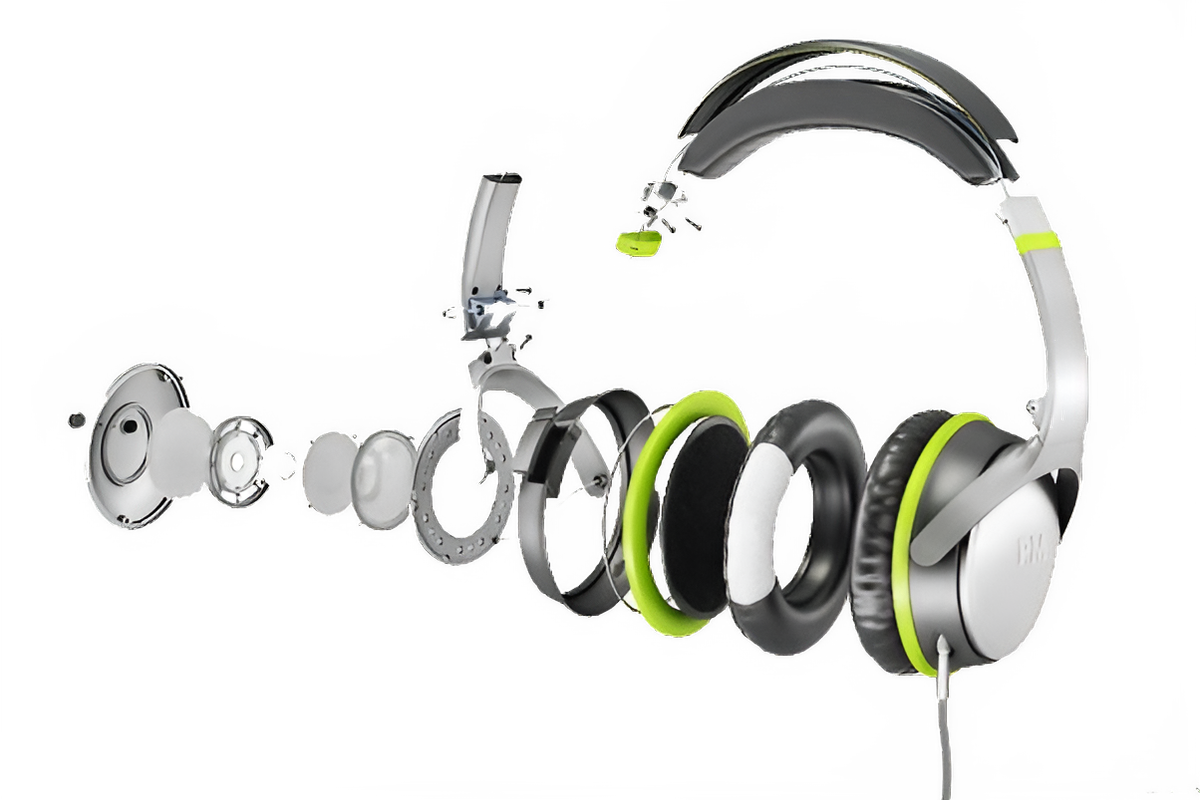
Highly reflective metallic trims, glass screens that catch every studio light, and the inability to show internal components make traditional photoshoots a logistical nightmare for hardware brands.
For modern appliance brands, transitioning from physical photoshoots to 3D product rendering is no longer just a creative choice; it is a required upgrade for e-commerce optimization.
The Material Challenge: Glass, Plastics, and Blades
When dealing with daily kitchen appliances like juicer mixers or electric choppers, the primary visual hurdle is material overlap.
You are often dealing with a high-gloss plastic base, a transparent or frosted polycarbonate jar, and reflective internal stainless-steel blades.
YIn a physical studio, lighting a transparent curved surface while simultaneously trying to illuminate the metal blades inside is a logistical nightmare. One light source inevitably ruins the other.
In a 3D digital environment, materials behave exactly as engineered.
We can separate the light passes - ensuring the external plastic casing maintains a premium, matte finish while perfectly illuminating the sharp metallic edges of the chopper blades inside.
This results in hyper-realistic, high-contrast imagery that performs exceptionally well on Amazon and Flipkart product listings.
Demonstrating Scale and Motion
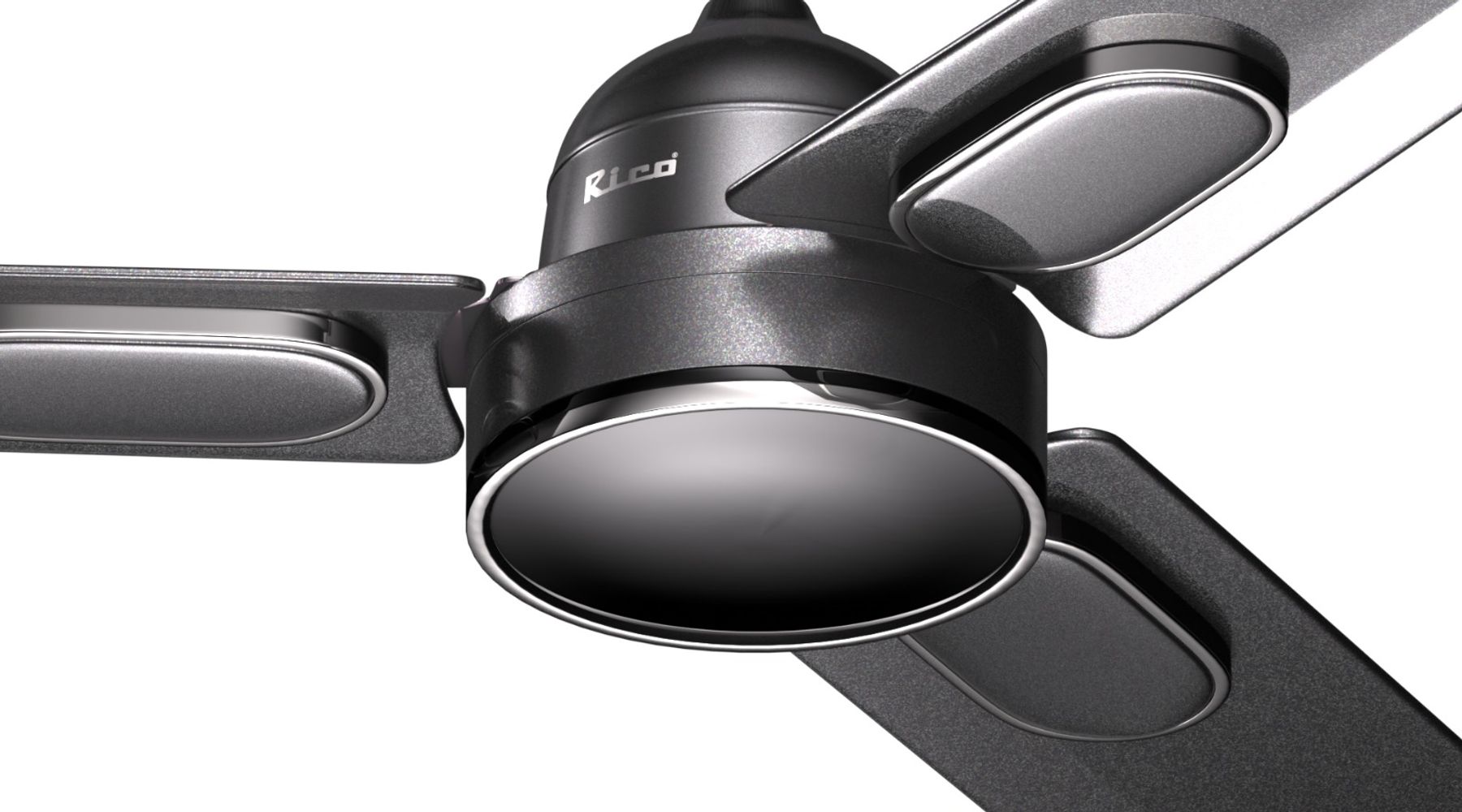
While static renders are perfect for listing images, selling appliances often requires demonstrating functionality. This is where physical video production budgets often inflate uncontrollably.
Consider the logistics of filming a ceiling fan.
In a physical space, capturing smooth, cinematic motion requires complex rigging, massive studio spaces to accommodate the ceiling height, and difficult lighting setups to avoid strobe effects on the spinning blades.
As demonstrated in the motion study above, a 3D workflow entirely bypasses physical constraints. By utilizing a virtual production set, we can easily program exact RPMs (Revolutions Per Minute) for the blades, seamlessly control the camera sweep, and adjust the environment lighting to match any interior design style. If a brand needs the same ceiling fan rendered in a modern living room and a rustic bedroom, it requires a simple environment swap, not a two-day location shoot.
Building a Scalable Asset Library
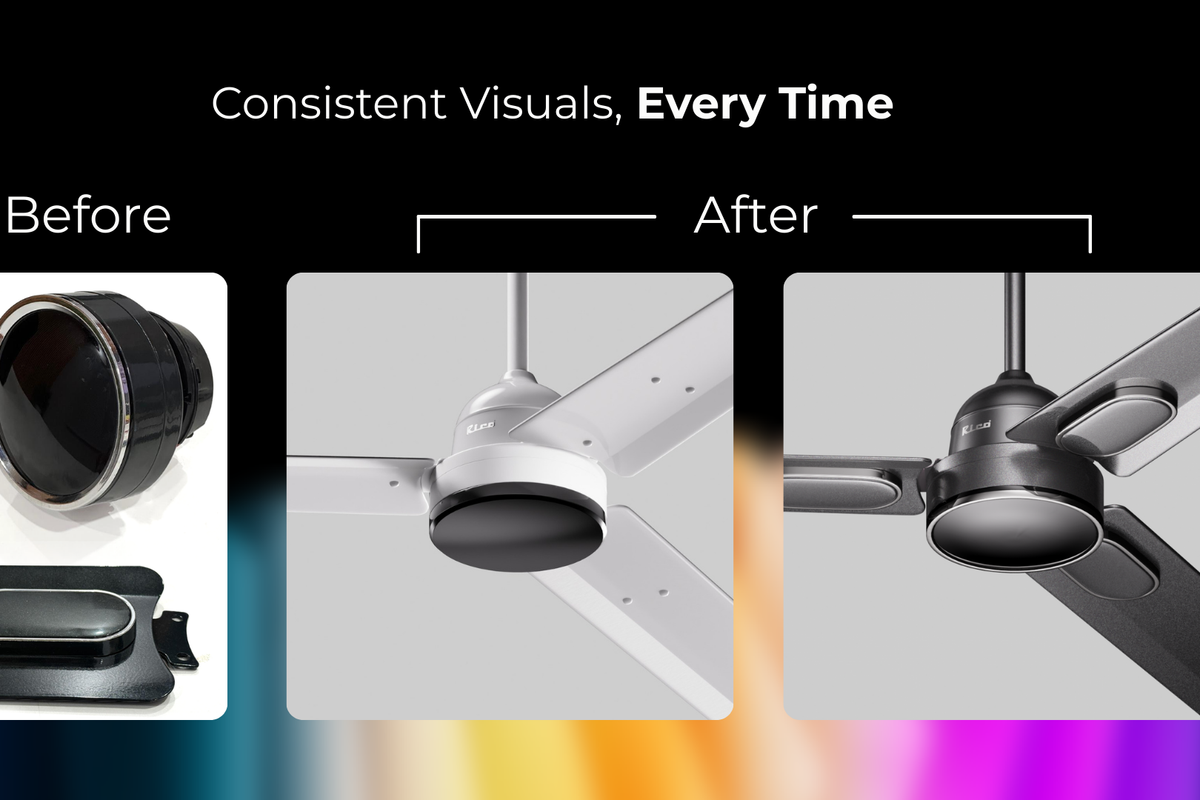
The true return on investment for appliance brands lies in asset scalability. Once the digital twin of a product -whether it is a complex juicer mixer or a large ceiling fan-is modeled and textured, it becomes a permanent asset.
With 3D product rendering, we take your CAD files and engineering blueprints and begin generating photorealistic launch assets, Meta Ads creatives, and website videos weeks before the physical product even exists.
Brand marketing teams can continuously generate 15-second product animations for Meta Ads, transparent PNGs for retail partners, or updated lifestyle environments for holiday campaigns, all without ever stepping foot back onto a physical set.

About the Author
Skitbit Team
Creative Strategy Team
Skitbit creates premium product visuals, 3D renders, product animations, and performance creatives for D2C brands.